HMRC can’t blame the pandemic for all its customer service failings, says MP
HMRC are facing backlash over their recent customer service shortcomings
HMRC are facing backlash over their recent customer service shortcomings
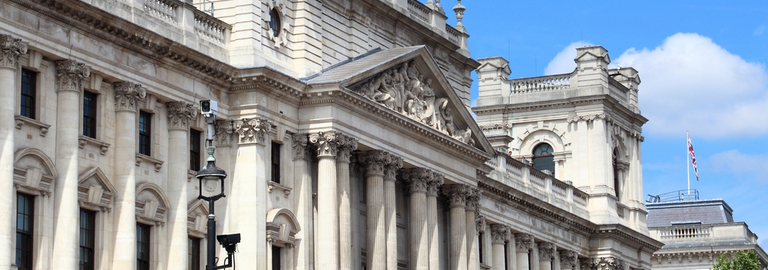
HMRC cuts have led to poorer customer service performance, according to MP and member of the Public Accounts Committee (PAC), Peter Grant.
Grant, the MP for Glenrothes said: “We all appreciate the impact the pandemic has had but the trend of falling standards of service started before then so we can’t blame it all on Covid.”
HMRC customer service employees have decreased from 25,500 to 19,500 as HMRC has moved more customers to digital systems in the last five years.
Grant added that while losing nearly a quarter of its staff, HMRC cannot describe this move as “efficiencies” because “if it leads to poorer service, it’s not an efficiency, it’s a cut.”
A report published by the PAC on January 11, revealed improvement of HMRC’s customer service will become far more challenging as inflationary pressures limits its spending powers.
The report draws on evidence provided by the Chartered Institute of Taxation (CIOT) to conclude that taxpayers and their agents are still not receiving an acceptable level of customer service.
The PAC is also unconvinced that HMRC’s digital plan will sustainably reduce demand or deal with the poor level of service quickly enough.
Furthermore, the PAC has asked HMRC to explain how taxpayers “who are unable to engage digitally or have a preference for post or phone contact” will be assisted with their tax queries.
The report also highlighted the PAC it was “surprised” to learn, in the past HMRC had sometimes closed its telephone line because it could not cope with demand.
Susan Ball, President of CIOT, has championed the report, saying: “It is crazy that people trying to get help from HMRC on paying the right amount of tax find it so difficult to get through, especially when an estimated £3bn a year is lost to the Exchequer from non-deliberate taxpayer error.
“The first principle of compliance surely has to be making it easy for willing taxpayers to comply with their obligations,” she added.
Before the pandemic, the report noted, HMRC responded to 70.3% of mail in 15 days or less. Between 2021-2022 this reduced to 39.5%. Additionally, the average speed of answering calls has almost doubled from 6:39 minutes pre-pandemic to 12:22 in 2021-2022.
HMRC communicated to the PAC that their reduction in customer service staff in the last five years has affected their ability to deal with the impact of the pandemic.
This coincides with evidence put forward by CIOT underlining concerns about the difficulties both advisers and taxpayers face in receiving timely responses and action from HMRC.
The MPs have given HMRC three months to write to the Committee with a plan to improve customer service “as quickly as possible”.
A HMRC spokesperson responded to the criticism, saying: “Since 2005 we have cut the UK’s tax gap by more than 30%, and we continue to prioritise collecting unpaid taxes, which is why are adding a further 2.500 people to our compliance teams as well as rolling out our digital offer to ensure everyone pays what is due.”